Native American Historical Material
The Native American collection preserves many of the finest historical Native American items to have come on the market. Gary Hendershott has handled a Sioux chief's war shirt attributed to Rain in the Face, a Hidatsa Sioux quilled war shirt, a Crow pre-Little Big Horn war shirt from the 1860s, an Omaha gun stock war club with steel tray blade, Cheyenne hand-drawn ledger book drawings depicting the Battle of Little Big Horn, and Sioux peace pipes tacked and wrapped with copper telegraph wire dating to the 1830s.
The collection encompasses the full breadth of indigenous material culture: a Cheyenne woman's dress from the 1880s, Navajo chief blankets, Kiowa and Comanche baby cradles with elaborate beadwork, a Pawnee human effigy catlinite pipe bowl, Comanche buffalo hide war shields with Mexican swords, and Delaware elaborately beaded shoulder bags. The Cheyenne bow case and quiver with original bow and arrows, Kiowa warrior's lances, and Sioux painted buffalo robes documenting battles with Colonel Sam Walker's troops represent the martial traditions of the Plains nations.
Gary approaches these objects with deep respect for their cultural significance, recognizing them not merely as collectibles but as irreplaceable records of civilizations whose artistic mastery and spiritual traditions deserve the highest standard of preservation. From Navajo Moki style serapes to Sioux "Sundance" ledger drawings by Walter Bone Shirt and Kiowa war shields, this collection spans the breadth of indigenous North America.
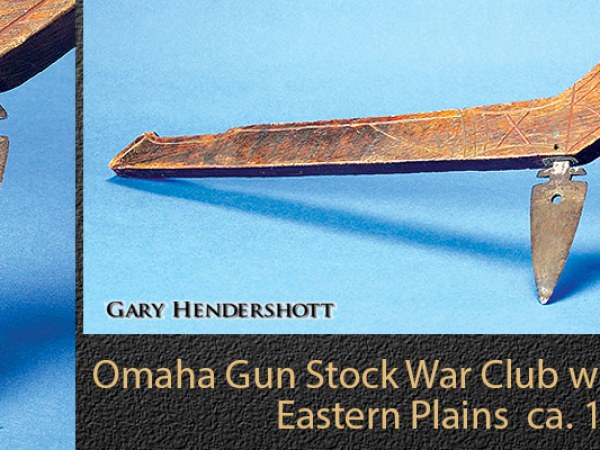
Sioux Chief War Shirts
Including the war shirt of Rain in the Face, a Hidatsa Sioux quilled war shirt, and a Crow pre-Little Big Horn war shirt from the 1860s. These garments represent the highest artistic and spiritual traditions of the Plains nations, each one worn by warriors of documented historical importance.
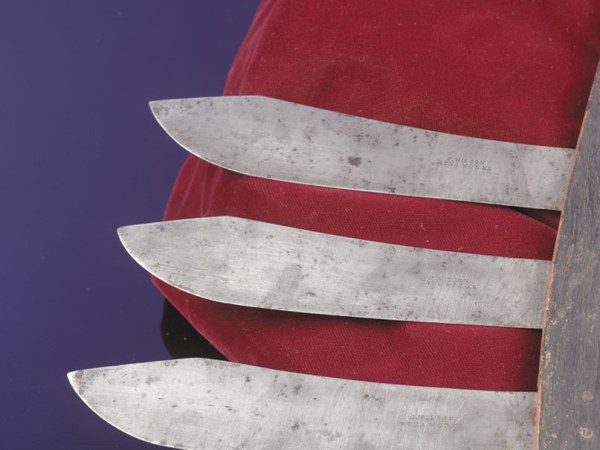
Omaha Gun Stock War Club
An Omaha gun stock war club with steel tray blade, representing the distinctive fighting weapons of the Central Plains nations. Gary has also handled Sioux triple-blade war clubs with trade knife blades, Southern Plains "Bleeding Heart" tomahawks, and Kiowa tomahawks with brass wire-wrapped shafts.
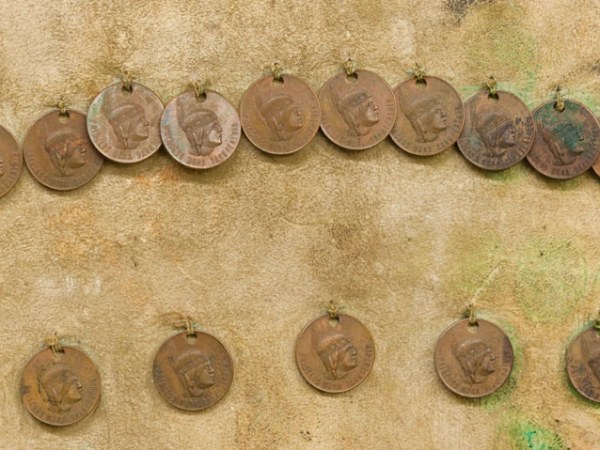
Cheyenne Dress & Ledger Drawings
A Cheyenne woman's dress from the 1880s and Cheyenne hand-drawn ledger book drawings depicting the Battle of Little Big Horn. The collection also includes Cheyenne ledger book drawings by Old White Woman from Texas (ca. 1889) and a Cheyenne bow case and quiver with original bow and arrows from the Northern Plains.
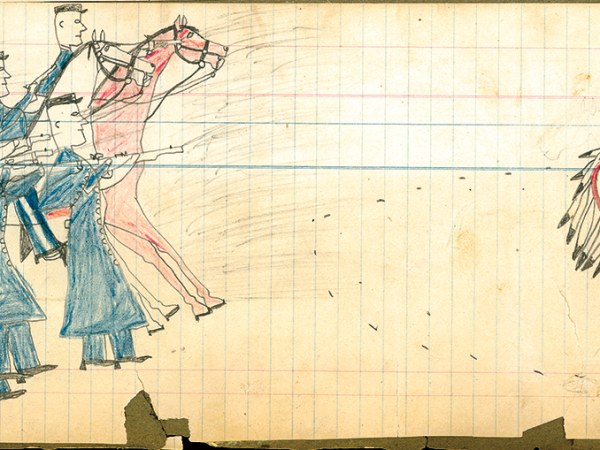
Peace Pipes & Ceremonial Objects
Sioux peace pipes tacked and wrapped with copper telegraph wire from the Western Plains (ca. 1830), Pawnee human effigy catlinite pipe bowls, and Kiowa beaded and fringed rattles. These sacred and ceremonial items are handled with the respect and sensitivity that objects of deep spiritual importance demand.
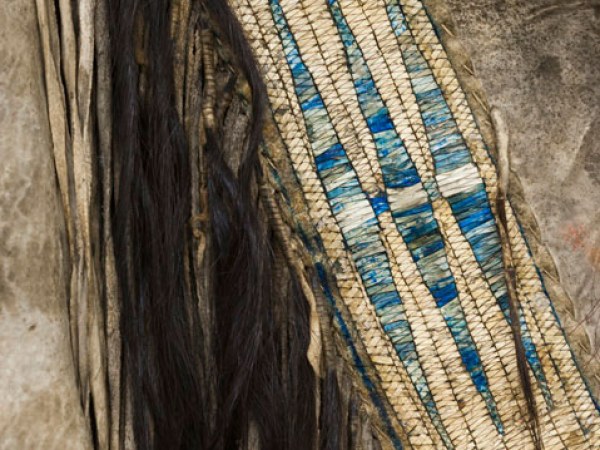
Navajo Textiles & Blankets
Navajo chief blankets, a late classic Moki style man's serape from New Mexico (ca. 1870), and other masterworks of Navajo weaving. These textiles represent centuries of artistic tradition and are among the most sought-after objects in all of Native American collecting.
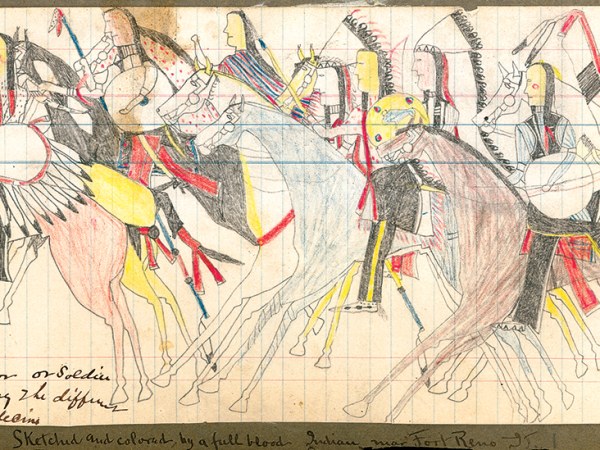
War Shields & Weapons
Comanche buffalo hide war shields with Mexican swords from Texas (ca. 1830), Navajo buffalo hide war shields from New Mexico (ca. 1820), Kiowa war shields, and Kiowa warrior's lances. Also included are Sioux painted buffalo robes documenting battles with Colonel Sam Walker's troops in Montana and a Cheyenne Battle of Washita captured beaded knife sheath.
Related Collections
Old West
Outlaw firearms, cavalry equipment, and artifacts from the legendary American frontier.
Presidential
Museum-quality presidential memorabilia and artifacts of national significance.
Documents & Manuscripts
Presidential autographs, military correspondence, and documents of enduring significance.
Interested in Native American Material?
Gary Hendershott handles Native American artifacts with deep respect for their cultural significance. If you are seeking specific pieces or wish to discuss the ethical stewardship of indigenous material culture, a private consultation is welcome.
Request a Private Inquiry